(718) 838-8187 info@momentum-dc.com 15 Tuve Ln, S. Hackensack, NJ 07606
Building Momentum, Ensuring Compliance.
MOMENTUMENGINEERING CONSULTANT, PLLC
Momentum Engineering · NYC & NJ

Special Inspections NYC

Code-specific special inspections across New York City, delivered by a P.E.-led team. We inspect at the right milestones, document clearly and support your TR1 filings through DOB sign-off.

Special Inspections by Momentum Engineering Consultant in New York City
Related ResourcesGuide: Tenant Protection Plans in NYC →Sidewalk Shed Renewal Reports →CD-5 Suspended Scaffold Design →
How We Support Your Project

From TR1 to Sign-Off, Without the Guesswork

Special inspections only help your schedule when they are planned around the work. We read the approved drawings and filing requirements first, then build the inspections into your construction sequence.

  1. Confirm what’s required. We review the approved construction documents and DOB filing to identify every special inspection, and coordinate TR1 responsibilities before work starts.
  2. Inspect at the right milestones. Inspections are scheduled with your superintendent around pours, installations and phases, so crews are not left waiting.
  3. Document for close-out. Photo-documented reports, prompt notice of deficiencies and organized records that support TR1 sign-off and your Certificate of Occupancy.
Service 01 · Special Inspections

Inspections We Perform

Momentum is qualified to perform the following Class 2 special inspections under the NYC Building Code, along with RDP sidewalk shed inspections. Each inspection is code-specific, documented and backed by professional engineering accountability.

Field Work · Our Engineering in Action
01 / 16
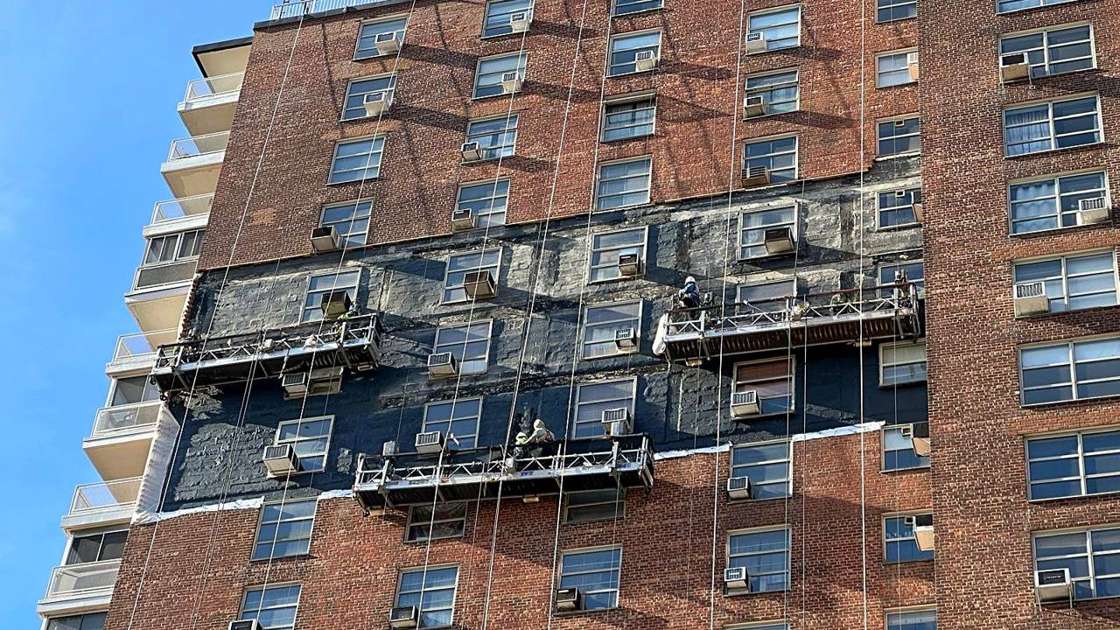
Suspended scaffold work on an occupied high-rise
Façade RestorationSuspended scaffold work on an occupied high-rise
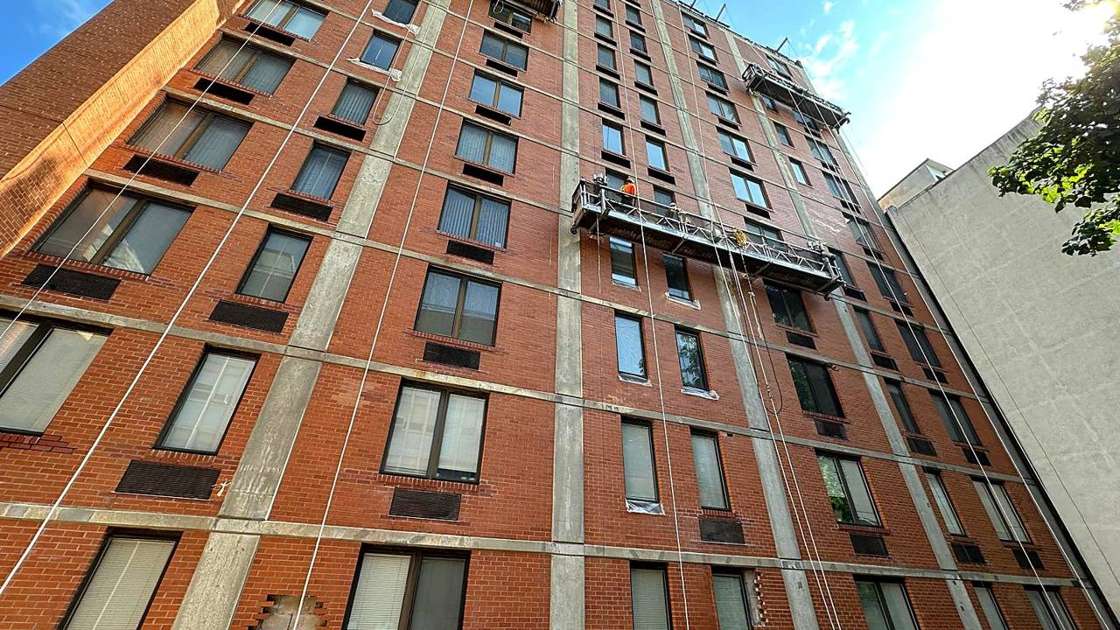
Masonry restoration from suspended platforms
Façade RepairMasonry restoration from suspended platforms
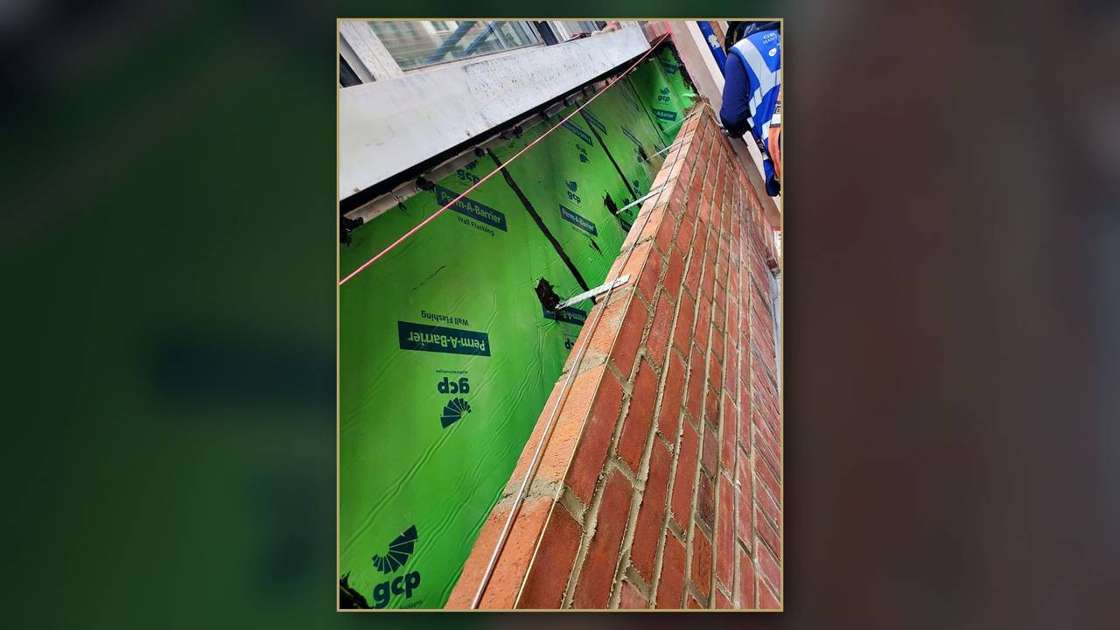
Brick veneer, ties & through-wall flashing
MasonryBrick veneer, ties & through-wall flashing
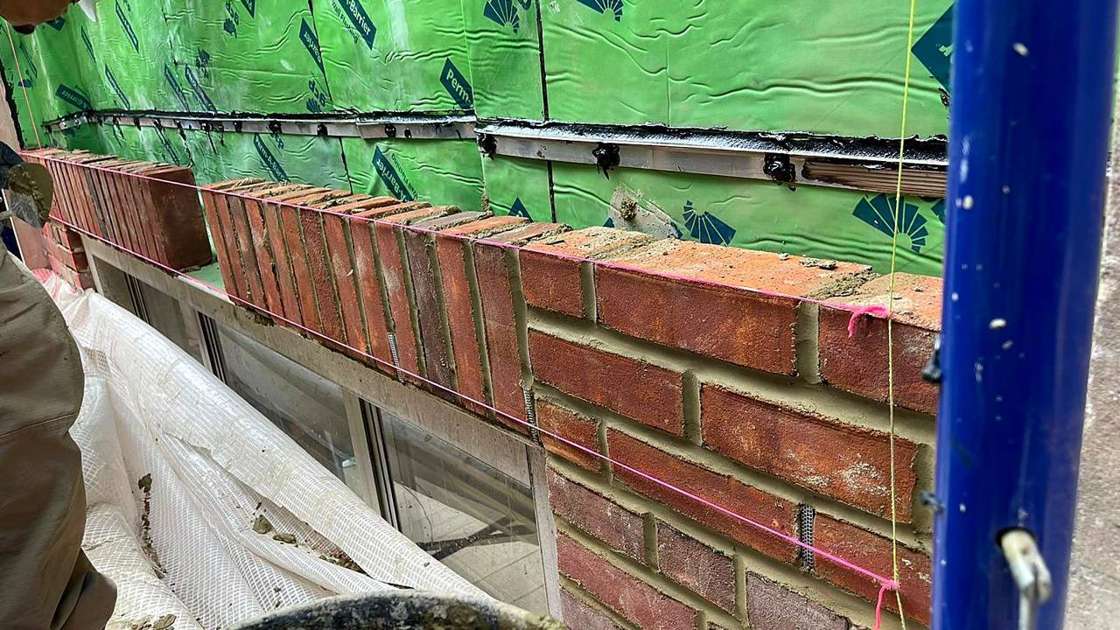
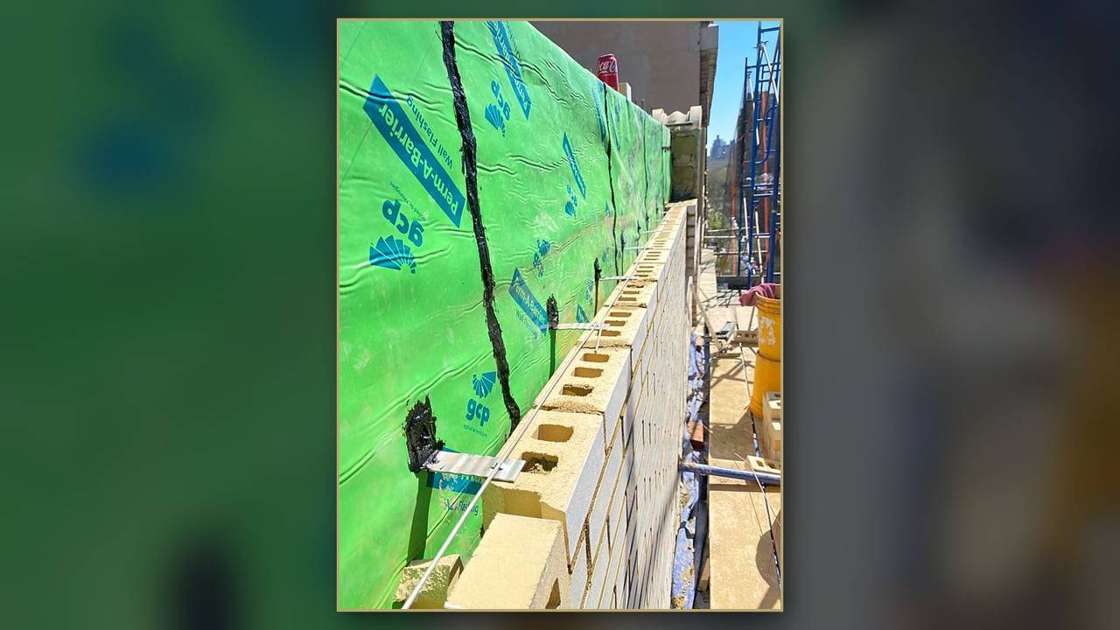
Veneer coursing & anchorage verification
MasonryVeneer coursing & anchorage verification
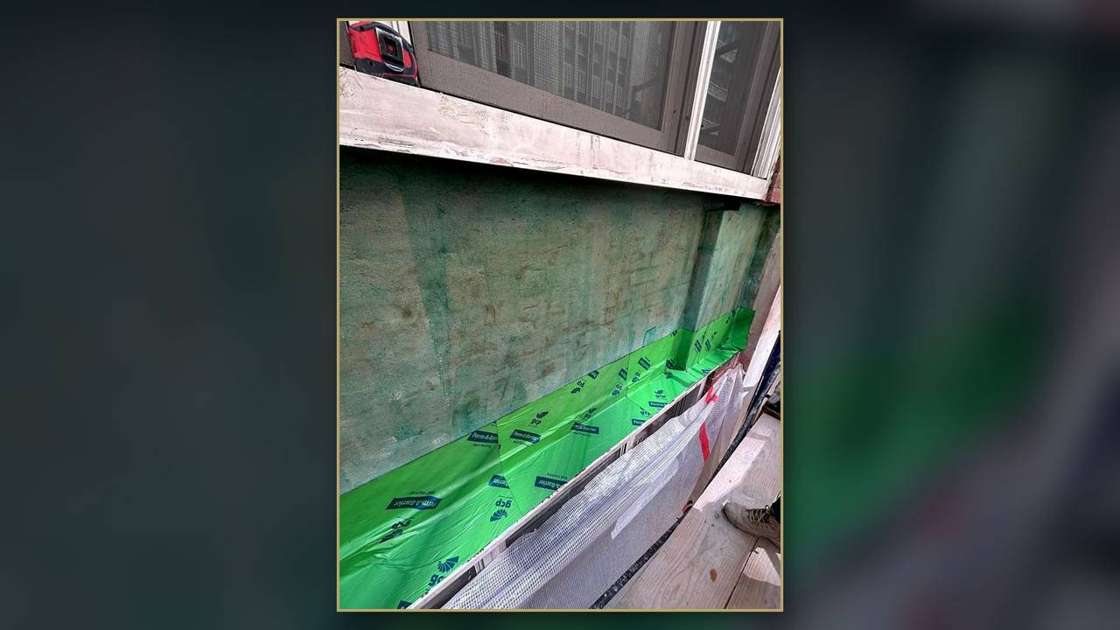
Flashing installation at window openings
MasonryFlashing installation at window openings
CMU backup & veneer anchor inspection
MasonryCMU backup & veneer anchor inspection
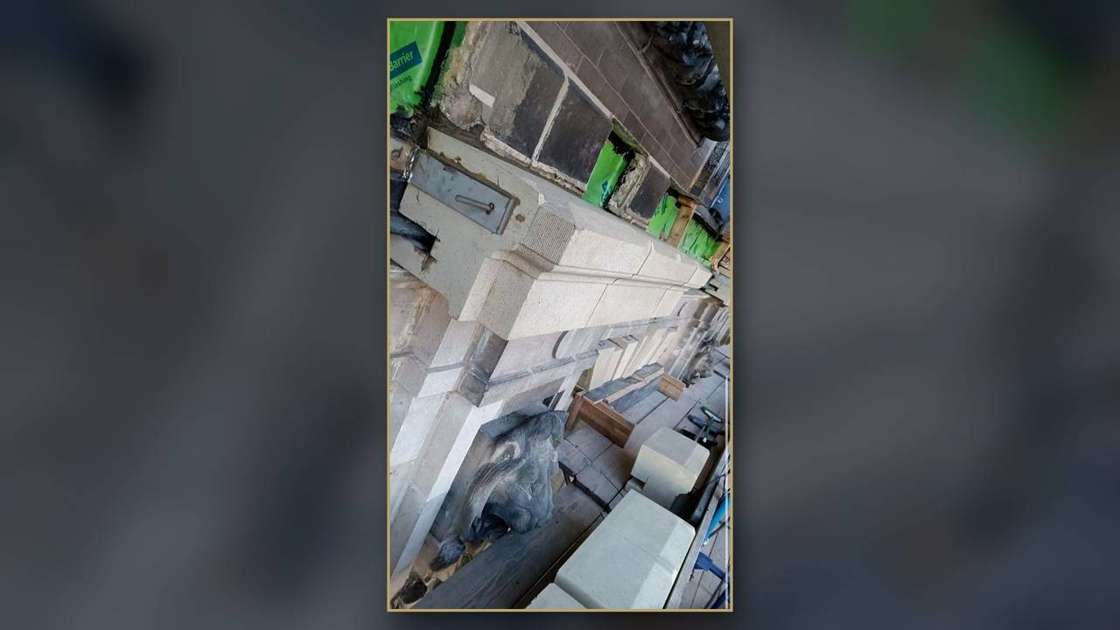
Stone cornice anchorage & replacement units
Post-Installed AnchorsStone cornice anchorage & replacement units
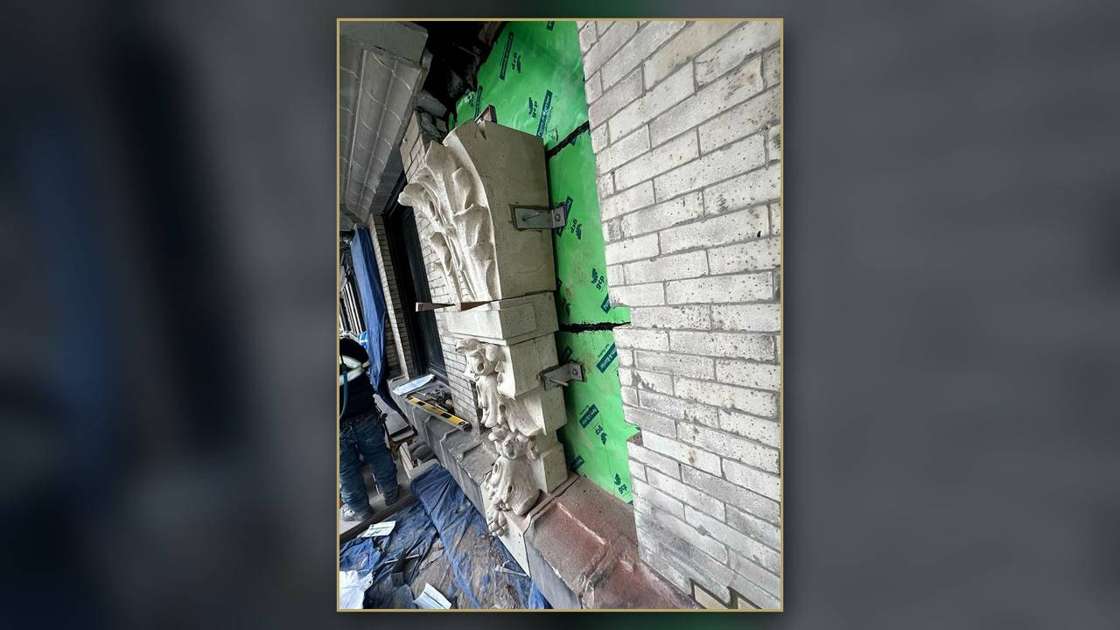
Cast-stone ornament anchors & clips
Post-Installed AnchorsCast-stone ornament anchors & clips
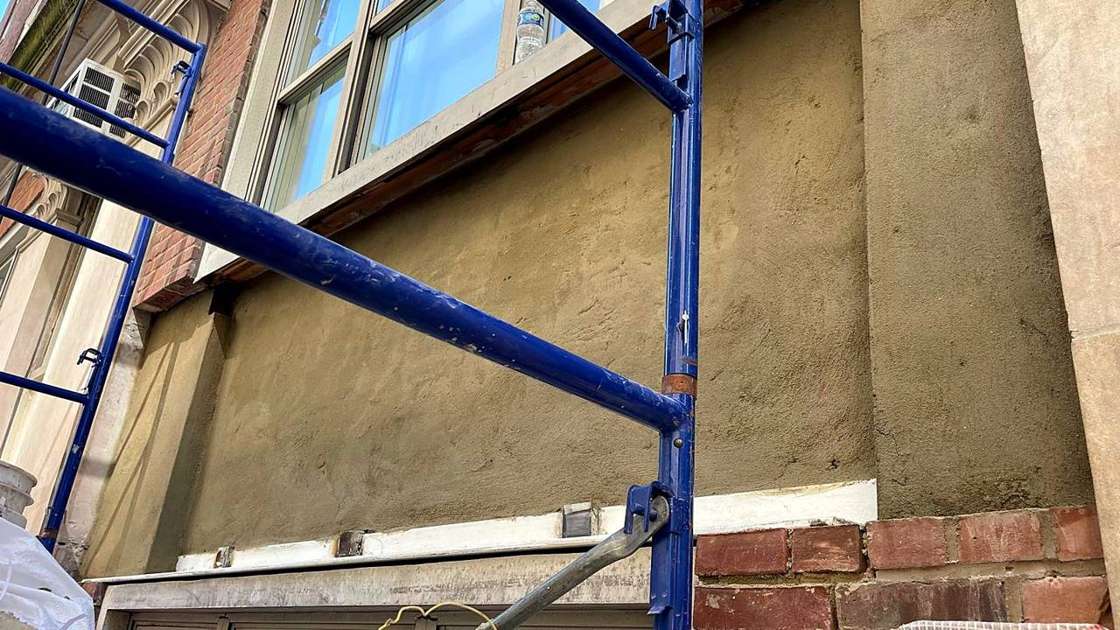
Parge coat & substrate repair on existing wall
Structural StabilityParge coat & substrate repair on existing wall
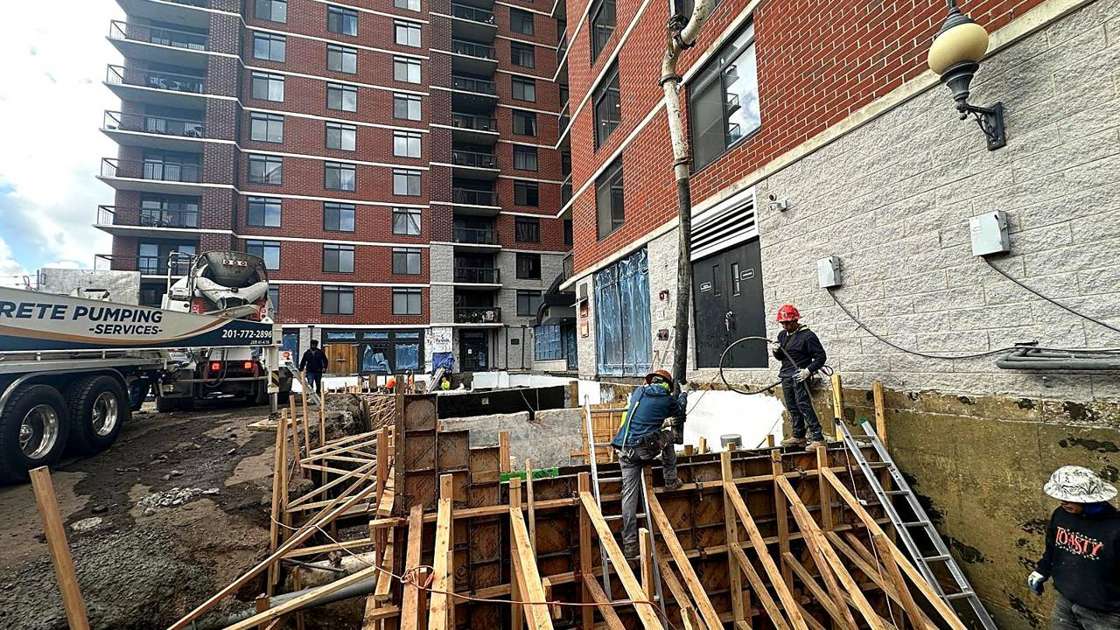
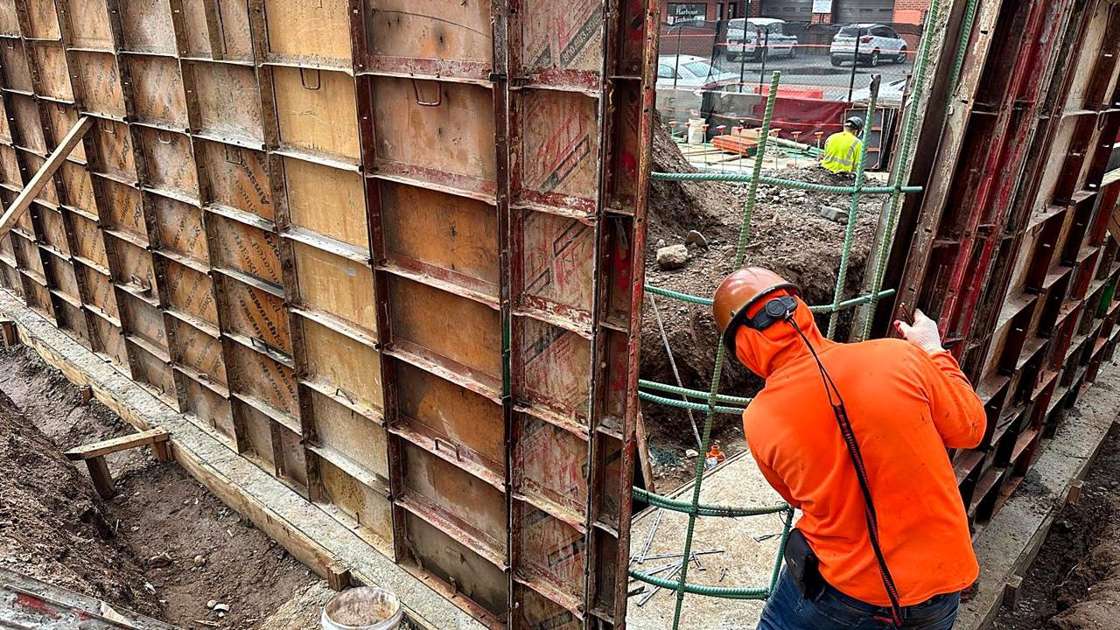
Wall formwork & reinforcing steel
Concrete – Cast-in-PlaceWall formwork & reinforcing steel
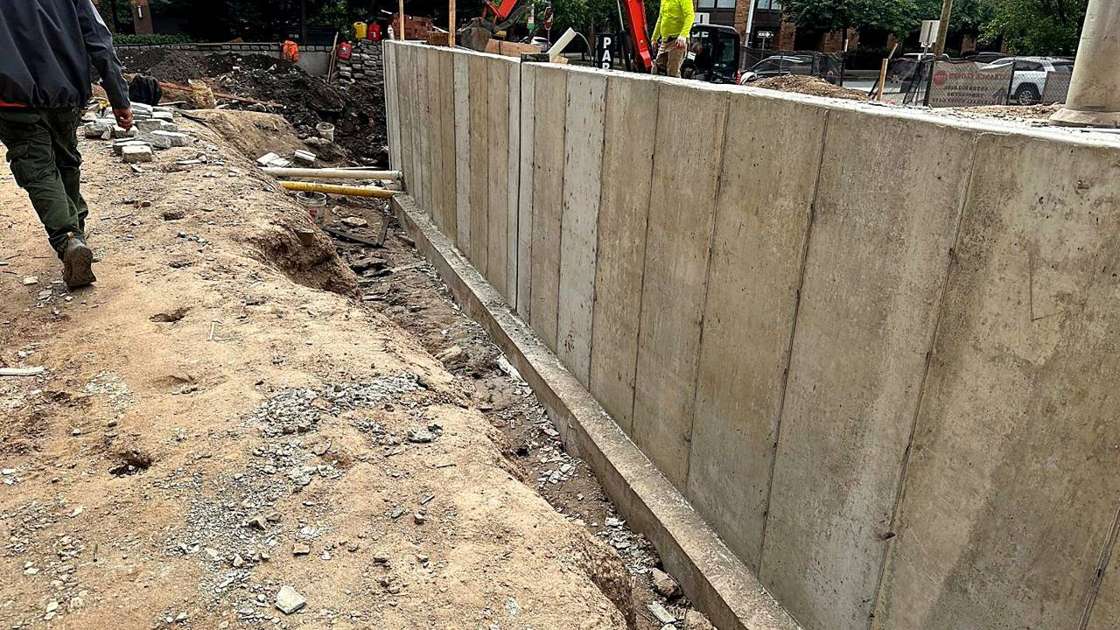
Completed cast-in-place retaining wall
Concrete – Cast-in-PlaceCompleted cast-in-place retaining wall
Concrete placement next to an adjacent structure
Concrete – Cast-in-PlaceConcrete placement next to an adjacent structure
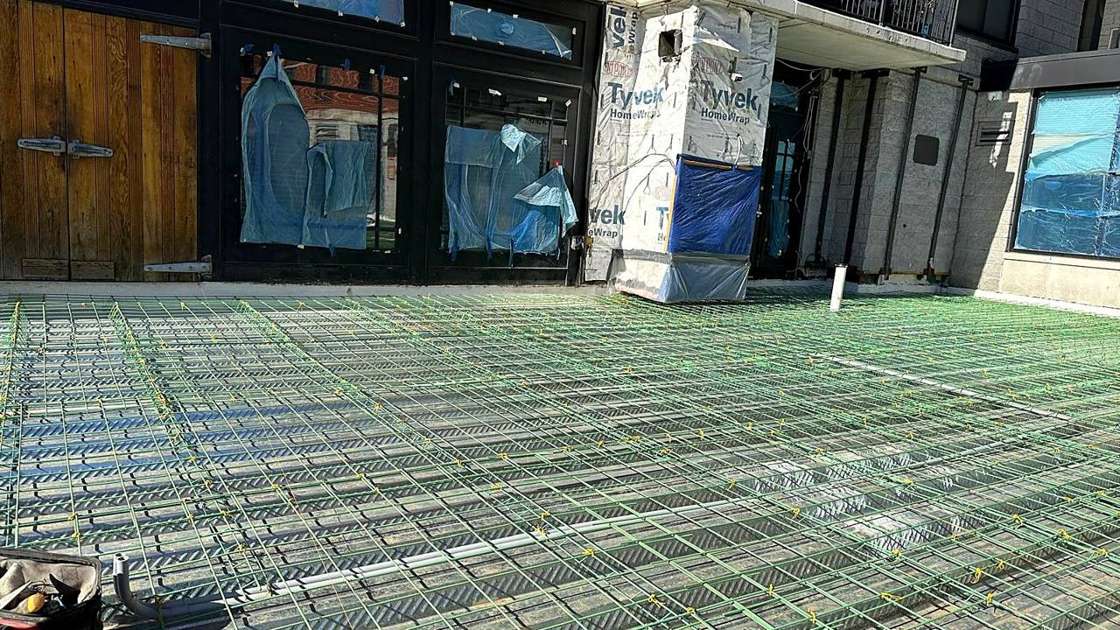
Epoxy-coated reinforcing on metal deck
Concrete – Cast-in-PlaceEpoxy-coated reinforcing on metal deck
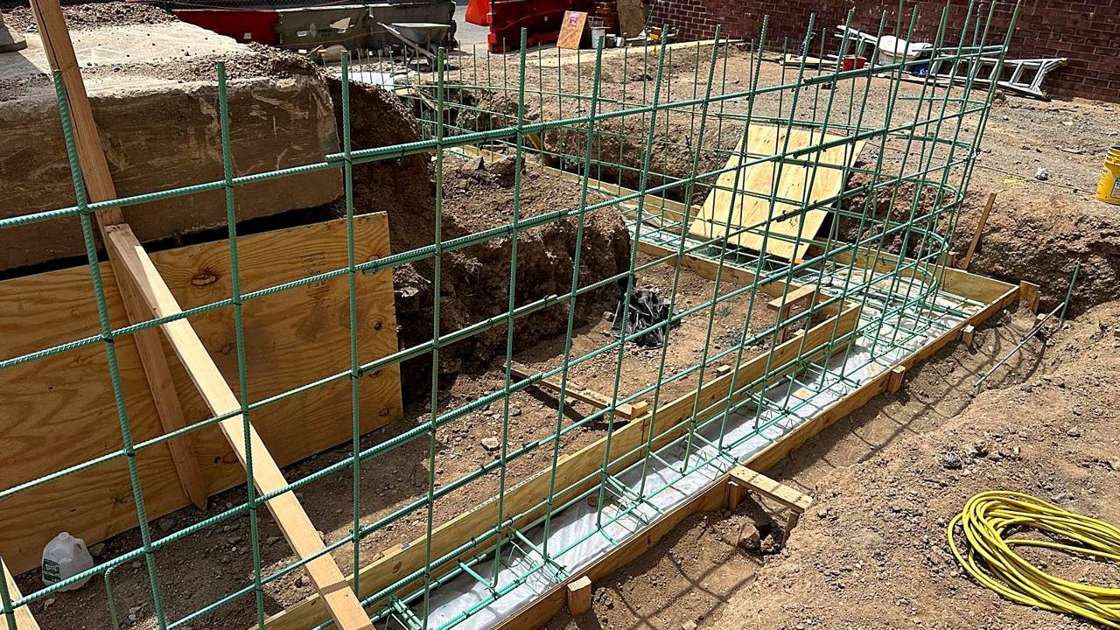
Rebar cage & footing formwork
Concrete – Cast-in-PlaceRebar cage & footing formwork
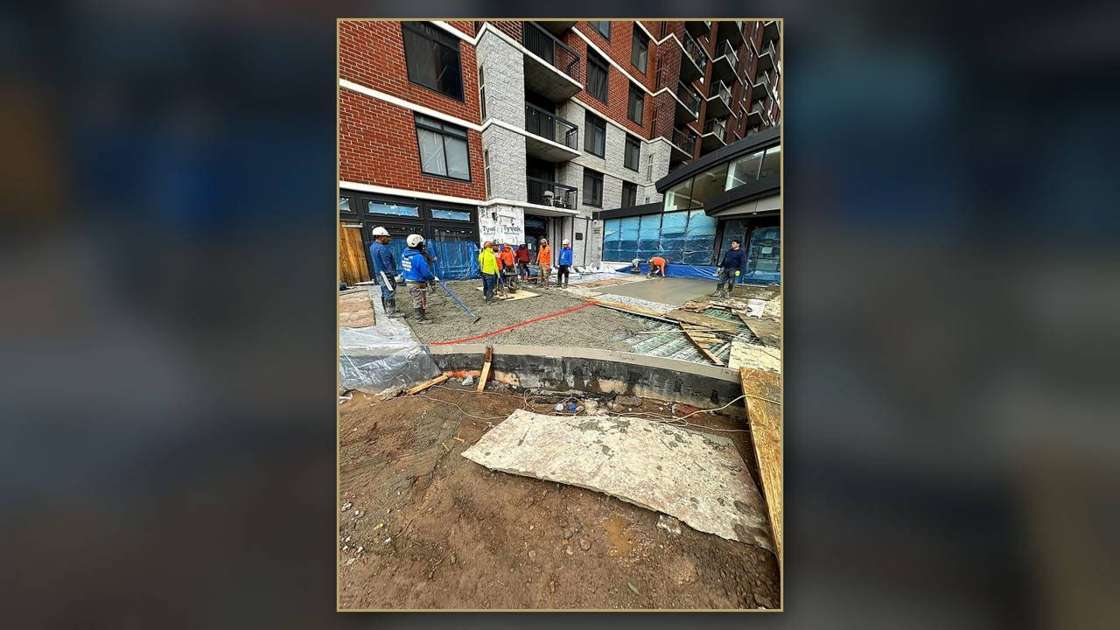
Slab placement & consolidation
Concrete – Cast-in-PlaceSlab placement & consolidation
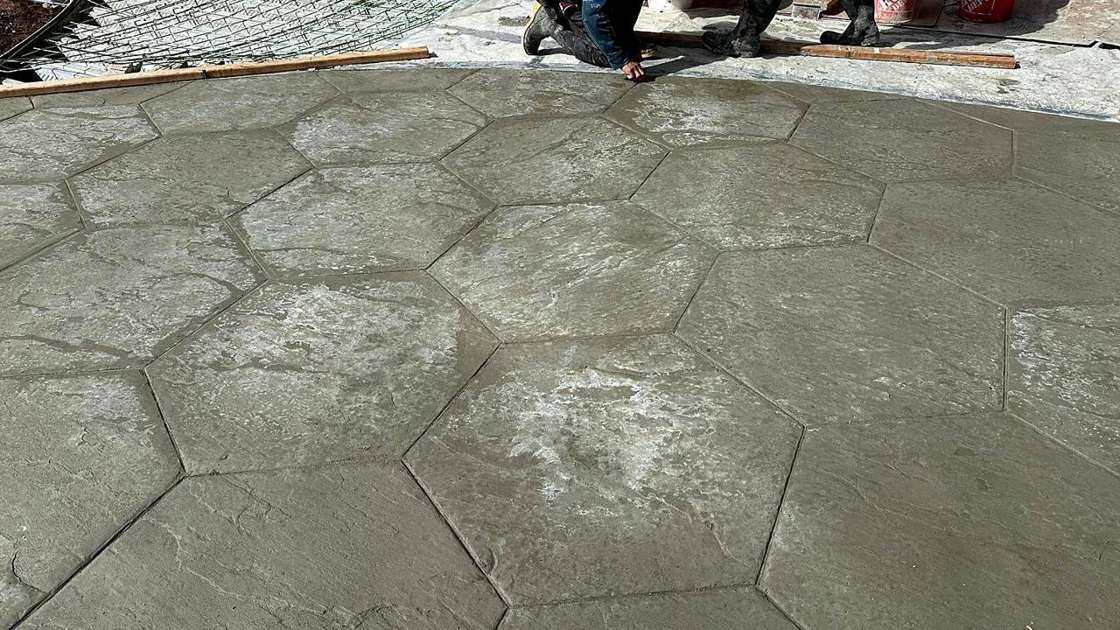
Finished stamped concrete surface
Concrete – Cast-in-PlaceFinished stamped concrete surface
RC1007

Concrete – Cast-in-Place

Certified inspections that verify strength, durability and structural stability of cast-in-place concrete.

  • Reinforcing steel size, spacing & cover
  • Formwork, embeds & pre-pour review
  • Placement, sampling & curing verification
BC 1704.4 (2014)BC 1705.3 (2022)
RC1012

Masonry

Verifying that masonry construction complies with approved documents and the NYC Building Code.

  • Mortar, grout & unit materials
  • Reinforcement, ties & anchorage
  • Workmanship, joints & cold-weather protection
BC 1704.5 (2014)BC 1705.4 (2022)
RC1031

Structural Stability – Alterations of Existing Buildings

Protecting the structural integrity of existing buildings during alteration and renovation work.

  • Shoring, bracing & temporary supports
  • Removal of structural elements
  • Conformance with approved stability plans
BC 1704.20.1 (2014)BC 1705.25.1 (2022)
RC1042

Fire-Resistant Penetrations & Joints (Firestop)

Ensuring fire-resistance-rated assemblies perform as designed to protect life and property.

  • Penetration firestop systems
  • Fire-resistant joint systems
  • Listed-system & installation verification
BC 1704.27 (2014)BC 1705.17 (2022)
RC1052

Post-Installed Anchors

Anchoring system validation so connections perform to their design capacity.

  • Anchor type, size & product verification
  • Hole drilling, cleaning & embedment
  • Installation torque & proof-load testing
BC 1704.32 (2014)BC 1705.37 (2022)
RC1060

Construction Operations Influencing Adjacent Structures

Minimizing impact on neighboring buildings during excavation, foundation and demolition work.

  • Pre-construction condition review
  • Underpinning, excavation & support of excavation
  • Ongoing protection & monitoring compliance
BC 1705.25.2 (2022)
RC1066

Tenant Protection Plan Compliance

Keeping occupied buildings safe and habitable while construction is underway.

  • Egress, fire safety & housing standards
  • Dust, debris & noise control measures
  • Weekly TPP compliance inspections
BC 1705.26 (2022)
RDP SERVICE

Sidewalk Shed Permit Renewal – RDP Inspections

Signed and sealed physical examinations and reports required to renew sidewalk shed permits under the “Get Sheds Down” laws.

  • RDP physical examination before each renewal
  • Sealed progress report filed with the renewal
  • Repair milestone schedule & work log review
BC 106.8.31 RCNY §102-07LL 48 of 2025
Need an Inspector?

One team. Every engineering need.

Send us your drawings and project scope — we'll confirm scope, schedule and fee quickly.

Request Engineering Service

Special Inspections at a Glance

WhatIndependent verification that specific construction work matches the approved drawings and the NYC Building Code.
Who performsQualified special inspectors working for a Special Inspection Agency (SIA) registered with DOB.
Who hiresThe owner. Under BC 1704.1 the contractor cannot retain the special inspector.
CodeNYC Building Code Chapter 17, 1 RCNY §101-06, and the TR1 technical report.

What Are Special Inspections?

The NYC Building Code identifies certain materials, installations and operations as critical enough to need a second set of eyes. Special inspections are that second set of eyes: a qualified inspector observes the work at defined milestones and confirms that it matches the approved construction documents before it is covered up or put into service.

Which inspections apply depends on the scope of work. They are identified by the design professional and listed on the job’s technical report (TR1). Typical examples include cast-in-place concrete, masonry, structural stability during alterations, firestopping, post-installed anchors, work affecting adjacent buildings, and Tenant Protection Plan compliance in occupied residential buildings.

Who Hires the Special Inspector?

The owner must retain the Special Inspection Agency. DOB is explicit that an entity that is only the contractor cannot hire the SIA, and the agency must report uncorrected discrepancies directly to the owner. This keeps the inspector independent of the people doing the work.

Plan ahead: the SIA is generally engaged before DOB issues the permit, because the inspection responsibilities must be in place on the TR1 before work starts.

The TR1 Process, Step by Step

  1. Design professional identifies the inspections. The P.E. or R.A. lists the required special and progress inspections for the job.
  2. Owner selects the agency. The owner authorizes the Special Inspection Agency to perform the inspections.
  3. Agency takes responsibility. The SIA director accepts responsibility for each assigned inspection on the TR1 before the permit is issued.
  4. Inspections during construction. Inspectors observe the work at the milestones that matter: before pours, during installation, before cover-up.
  5. Deficiencies reported and corrected. Discrepancies are reported to the owner and the team so they can be fixed while the work is still accessible.
  6. Certification for sign-off. The agency certifies completed inspections, which DOB needs for sign-off and, where applicable, the Certificate of Occupancy.

Special Inspections vs. Progress Inspections

TypeWhat it covers
Special inspectionCritical materials and operations listed in BC Chapter 17, such as concrete, masonry, firestop, anchors and structural stability
Progress inspectionMilestone checks of general construction, such as footings, energy code items and final inspection
Who performsBoth are performed by qualified inspectors and documented on the job’s technical reports

What Usually Delays Sign-Off

No SIA at permitInspection responsibilities not assigned on the TR1 before the permit request.
Work covered too soonRebar, anchors or firestopping enclosed before the inspector observes them.
Contractor-hired inspectorAn inspector retained by the contractor instead of the owner, creating a conflict.
Open deficienciesReported discrepancies never corrected or re-inspected.
Missing documentationInspection reports and certifications not organized for close-out.
Scope changesChanged work not reflected in the required inspections.
Need inspections assigned before your permit?Request a Proposal(718) 838-8187

General information about NYC requirements as of November 2026; not legal advice. Requirements are confirmed for each project against the current NYC Construction Codes and DOB rules.

Service Area

Special Inspections Across NYC & Northern NJ

FAQ

Special Inspections NYC: Common Questions

What is a special inspection in NYC?

An independent inspection of specific construction work, such as concrete, masonry, firestopping or anchors, that the NYC Building Code requires to be verified by a qualified special inspector working for a DOB-registered Special Inspection Agency.

Who is responsible for hiring the special inspector?

The owner. Under BC 1704.1 the Special Inspection Agency must be retained by the owner, and an entity that is only the contractor cannot hire it.

What is a TR1?

The TR1 technical report lists the special and progress inspections required for a job and the agency responsible for each one. Responsibilities are generally assigned before the permit is issued.

Which special inspections does Momentum perform?

Concrete (cast-in-place), masonry, structural stability for alterations of existing buildings, fire-resistant penetrations and joints (firestop), post-installed anchors, construction operations influencing adjacent structures, and Tenant Protection Plan compliance.

When should I engage a special inspector?

Before the permit request, so the inspection responsibilities are in place on the TR1 and inspections can be scheduled around the construction sequence.

What happens if a deficiency is found?

The inspector reports it to the owner and project team so it can be corrected while the work is still accessible, then re-inspects. Uncorrected discrepancies must be reported to the owner.

How quickly can you schedule an inspection?

We focus on rapid turnaround. Send your job number, scope and schedule and we will confirm availability and fees promptly.

Ready to move your project forward?

Tell us about your project and we’ll respond promptly.